Understanding Yoga Teacher Training in Rishikesh
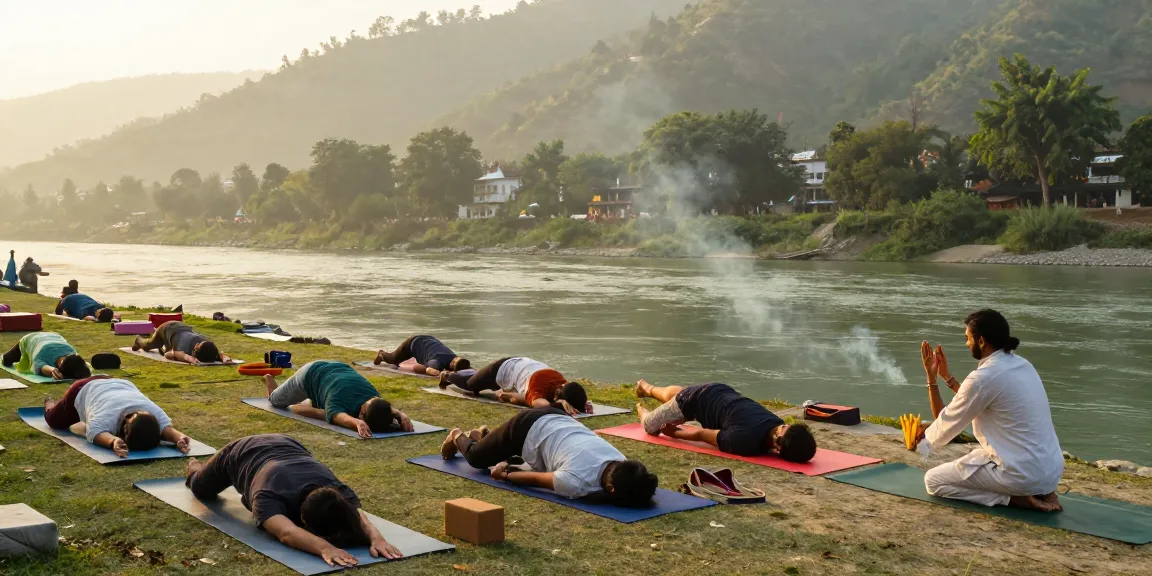
Rishikesh, known as the 'Yoga Capital of the World,' offers an unparalleled backdrop for those aspiring to dive deep into the transformative practice of yoga. Nestled at the foothills of the Himalayas alongside the sacred banks of the Ganges, this town has become a spiritual hub where ancient traditions blend seamlessly with modern teachings. The Yoga teacher training in rishikesh provides an opportunity to not only deepen one's personal practice but also to acquire internationally recognized teaching credentials.
What Makes Rishikesh a Yoga Hub?
Rishikesh's allure as a yoga destination stems from its rich history and spiritual significance. The town is dotted with ashrams, each offering unique styles of yoga and philosophy courses. Spiritual seekers and yogis from all corners of the globe flock here, drawn by its serene environment and the promise of self-discovery. The presence of revered spiritual leaders and an atmosphere steeped in meditation practices make Rishikesh a unique sanctuary for aspiring yoga teachers.
Types of Yoga Teacher Training Programs Available
In Rishikesh, a variety of yoga teacher training programs are available to cater to different experience levels and teaching aspirations. The most common formats include:
- 200-Hour YTTC: This foundational course is designed for beginners and provides essential knowledge on yoga philosophy, asanas, pranayama, and teaching methodologies.
- 300-Hour YTTC: Ideal for those who have completed the 200-hour course, this program delves deeper into advanced techniques and teaching styles.
- 500-Hour YTTC: A comprehensive course encompassing both the 200-hour and 300-hour curriculums, this program is suitable for those looking to achieve mastery in yoga teaching.
Yoga Alliance Certification: What You Need to Know
Graduating from a Yoga Alliance-certified program ensures that your training meets international standards, allowing you to register as a Registered Yoga Teacher (RYT). This certification is recognized globally, which enhances your employability in yoga studios, wellness centers, and retreats around the world. Additionally, being part of the Yoga Alliance community provides access to ongoing professional development and networking opportunities.
Course Structure for Yoga Teacher Training
Daily Schedule: A Day in the Life of a Yogi
A typical day in a yoga teacher training course in Rishikesh is structured to maximize learning and personal growth. Participants can expect a holistic routine that includes:
- Morning Sadhana: Early morning practice of asanas followed by meditation, setting a purposeful tone for the day.
- Theory Classes: Interactive sessions covering yoga philosophy, anatomy, and teaching techniques.
- Afternoon Workshops: Specialized classes that may include pranayama, mantra chanting, or advanced asana practice.
- Evening Reflection: A time for participants to share experiences and insights, often accompanied by discussions on ethical practices.
Core Subjects Covered in Training
The curriculum of the yoga teacher training courses is comprehensive, covering essential topics such as:
- Asana Practice: Detailed study of various yoga postures and their benefits.
- Pranayama: Techniques for breath control and energy management.
- Yoga Philosophy: Understanding ancient texts, including the Bhagavad Gita and Patanjali's Yoga Sutras.
- Anatomy and Physiology: Exploring the physical body and its connection to yoga practice.
- Teaching Methodology: Learning how to effectively communicate and lead yoga classes.
Practical Sessions: Teaching Methodology and Ethics
Hands-on teaching practice is crucial in developing confidence as a future instructor. Students engage in peer teaching and receive constructive feedback from experienced mentors. This practical experience is complemented by discussions on the ethics of teaching yoga and the responsibilities that come with it.
Costs and Inclusions of Yoga Teacher Training Courses
Breakdown of Course Fees for 200, 300, and 500 Hour Programs
The fees for yoga teacher training programs in Rishikesh vary based on the course duration and inclusions. Generally, the costs are structured as follows:
- 200-Hour Program: Approximately $1200.
- 300-Hour Program: Ranges from $1500 to $2000.
- 500-Hour Program: Costs can range from $2500 to $3000.
Included Amenities: Accommodation and Meals
Most yoga teacher training courses provide comprehensive packages that include:
- Accommodation: Comfortable lodging within the ashram or nearby facilities.
- Meals: Nutritional vegetarian meals, catering to diverse dietary preferences.
- Course Materials: Textbooks, notebooks, and other essential resources for learning.
What Is Not Covered: Hidden Costs to Consider
When budgeting for your yoga teacher training, it's essential to consider additional expenses that may arise, such as:
- Personal expenditures (e.g., snacks, beverages).
- Additional excursions or activities not included in the course.
- Insurance and travel costs.
Unique Experiences in Rishikesh
Cultural Immersion Activities and Excursions
One of the highlights of training in Rishikesh is the diverse cultural experiences available. Participants are often invited to engage in:
- Aarti Ceremonies: Witnessing the mesmerizing rituals performed by the Ganges.
- Cultural Visits: Exploring local temples, caves, and the surrounding nature.
- Workshops: Participation in traditional arts or culinary classes to enrich their stay.
Spiritual Practices: Aarti Ceremony and Ganga Rituals
The Aarti ceremony at the Ganges is a profound experience, providing practitioners with an opportunity to connect spiritually with the essence of Rishikesh. This nightly ritual promotes gratitude and reverence for the river, often described as a moving and transformative event.
Connecting with Nature: Outdoor Yoga and Meditation Retreats
The breathtaking landscapes surrounding Rishikesh offer the perfect environment for outdoor yoga and meditation. Many programs incorporate nature walks, allowing students to deepen their practice while soaking in the tranquility of the Himalayas.
Preparing for Your Yoga Journey
Prerequisites and Recommendations for Aspiring Teachers
While there are no strict prerequisites for enrolling in a 200-hour yoga teacher training, having a basic understanding of yoga and a commitment to personal practice is beneficial. For those pursuing advanced training, previous yoga certification is typically required. It's crucial to come with an open mind and readiness to learn.
Student Code of Conduct: Setting Expectations
Each yoga institution outlines a code of conduct that students are expected to follow. This often includes guidelines on respect, discipline, punctuality, and maintaining a positive environment conducive to learning. Adherence to these principles not only enhances the experience for oneself but also for fellow students.
How to Choose the Right Training Program for You
With numerous options available, selecting the right yoga teacher training program can be daunting. Consider the following factors:
- Teaching Style: Ensure the program matches your preferred style, whether it be Hatha, Vinyasa, or Ashtanga.
- Instructor Qualifications: Research the experience and background of the lead trainers.
- Reviews and Testimonials: Look for feedback from past students to gauge the quality of the training.
What to Expect Post-Certification?
Upon completion of your yoga teacher training, you will be equipped with the skills to teach at studios, wellness retreats, or even internationally. Many graduates also choose to continue their education with advanced courses or workshops, further enhancing their teaching abilities and understanding of yoga.
How to Start Teaching Yoga Internationally?
Teaching yoga internationally often requires certification from a recognized institution, such as Yoga Alliance. Building a portfolio that showcases your teaching style and experiences can also help in securing teaching opportunities abroad. Networking within the yoga community can provide leads on international teaching gigs.
FAQs About Yoga Teacher Training in Rishikesh
As more people explore yoga teacher training, several common questions arise:. Additionally, sound healing india provides further details.
- Is yoga teacher training worth it? Absolutely! It not only deepens your understanding of yoga but also opens up numerous career opportunities.
- How long is a yoga teacher training course? The duration typically varies between 200 to 500 hours, depending on the level of training.
- What are the career opportunities after certification? Certified teachers can work in studios, wellness centers, or even lead their own classes and retreats.
- What kind of yoga should I teach after training? While you can teach a focused style, many instructors blend different classes to cater to diverse student needs.