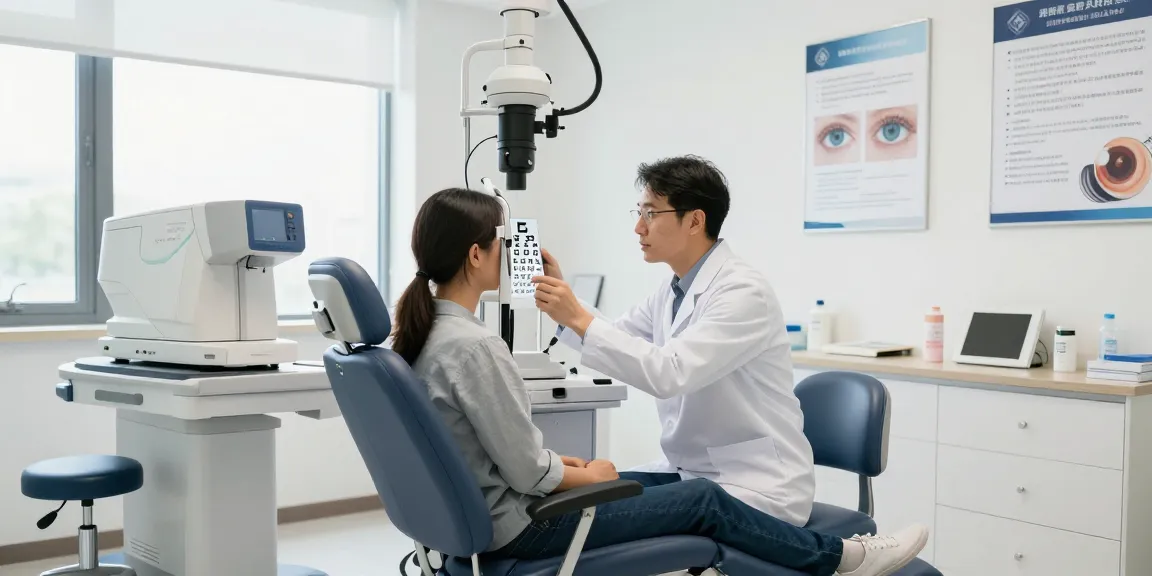
Understanding Lasik Eye Surgery
Lasik eye surgery, a widely sought-after procedure, offers an opportunity for individuals struggling with refractive vision issues to achieve clearer eyesight without the constant need for glasses or contact lenses. As a leading treatment in vision correction, it has transformed the lives of millions, providing not just clarity but also improved quality of life. When exploring options, lasik eye surgery cincinnati provides comprehensive insights into what patients can expect from this advanced surgical option.
What is Lasik Eye Surgery?
Lasik, which stands for Laser-Assisted In Situ Keratomileusis, is a type of refractive eye surgery designed to correct common vision problems such as myopia (nearsightedness), hyperopia (farsightedness), and astigmatism. The procedure involves reshaping the cornea using a laser to allow light entering the eye to be focused directly on the retina. This surgical technique is known for its precision and efficiency, making it one of the most popular options for vision correction worldwide.
Benefits of Lasik Eye Surgery
- Immediate Results: Most patients notice a significant improvement in their vision just hours after the surgery.
- Painless Procedure: Thanks to modern anesthetics and the minimally invasive nature of the surgery, discomfort is minimal.
- Fast Recovery: Many patients return to their regular activities within a day or two.
- Long-term Solution: For many, the effects of Lasik are permanent, resulting in a lifelong reduction in the need for corrective lenses.
Who is a Suitable Candidate?
Not everyone is a good candidate for Lasik eye surgery. Ideal candidates are typically over 18 years old, with a stable prescription for at least a year. It’s crucial to have sufficient corneal thickness and no history of severe eye conditions. A thorough pre-operative exam with an eye care professional will determine suitability, ensuring a tailored approach to individual needs.
The Lasik Procedure Explained
Step-by-Step Overview of the Surgery
The Lasik procedure generally lasts about 15 minutes per eye. The steps include:
- Preparation: An anesthetic drop is applied to numb the eye.
- Corneal Flap Creation: A thin flap in the cornea is created using either a microkeratome or a femtosecond laser.
- Corneal Reshaping: An excimer laser reshapes the underlying corneal tissue to correct refractive errors.
- Flap Replacement: The corneal flap is placed back in position, where it bonds naturally, aiding quick recovery.
Advanced Technology Used in Lasik Surgery
Lasik eye surgery employs cutting-edge technology to enhance accuracy and safety. Modern systems use wavefront technology to customize treatment based on a detailed map of the eye, allowing for corrections tailored specifically to the individual’s vision profile. This precision reduces the chances of complications and enhances post-operative outcomes.
Recovery Process and What to Expect
Recovery from Lasik surgery is typically rapid. Most patients experience slight discomfort and visual disturbances in the initial hours, which usually resolve within a day. Follow-up appointments are crucial to monitor healing and ensure the correction is optimal. Patients are often advised to avoid strenuous activities, swimming, and eye makeup for at least two weeks post-surgery as a precaution.
Common Concerns and Misconceptions
Addressing Fears About Eye Surgery
It’s natural to feel apprehensive about undergoing eye surgery. Many fears stem from misconceptions about the procedure’s safety and outcomes. Understanding the facts—such as the high success rate of Lasik and advancements in surgical techniques—can significantly alleviate concerns and empower potential candidates to make informed decisions.
Exploring Potential Risks and Side Effects
Like all surgical procedures, Lasik does carry some risks. While most patients attain excellent vision, some may experience side effects, including dry eyes, glare, halos, and in rare cases, vision loss. Thorough pre-operative assessments and discussions about potential outcomes can help set realistic expectations.
Debunking Myths Around Lasik Eye Surgery
Myths surrounding Lasik, such as the notion that it’s painful or only suitable for younger patients, often deter individuals from seeking treatment. In reality, with advancements in pain management and technology, the procedure is minimally invasive. Furthermore, many older adults are excellent candidates, particularly those whose vision issues are stable.
Choosing the Right Eye Clinic
What to Look for in a Lasik Eye Surgery Clinic
When selecting a clinic for Lasik eye surgery, consider factors such as the clinic’s accreditation, the technology utilized, and the professionalism of the staff. A facility with a strong reputation, as evidenced by positive patient reviews and successful surgical outcomes, is essential for ensuring a reassuring experience.
The Importance of Experienced Surgeons
Experience matters significantly in the field of eye surgery. Surgeons with extensive training and a track record of performing Lasik procedures can navigate potential complications more effectively, enhancing patient confidence and safety. Seek out clinics that provide transparent information about their surgeons’ qualifications and experience levels.
Evaluating Patient Reviews and Testimonials
Feedback from previous patients can offer invaluable insights into their experiences. Look for reviews that discuss the overall process, the results achieved, and the level of customer service. High satisfaction rates can indicate a clinic’s reliability and the quality of care provided.
The Future of Eye Correction Techniques
Emerging Trends in Eye Surgery for 2026
As technology continues to evolve, so do the methods of vision correction. Trends indicate a move towards more personalized techniques that utilize genetic and biometric data to enhance surgical precision. Innovative approaches, such as SMILE (Small Incision Lenticule Extraction), are gaining popularity and demonstrating promising outcomes.
Innovations in Vision Correction Technologies
New technologies, including artificial intelligence and advanced imaging, are paving the way for even more effective vision correction solutions. These innovations facilitate tailored treatments that cater to specific visual impairments, contributing to greater patient satisfaction and success rates.
Looking Ahead: What Patients Can Expect
As we advance, patients can expect increasingly refined surgical techniques and enhanced safety protocols. Ongoing research will likely lead to shorter recovery times and improved long-term outcomes, reinforcing Lasik’s position as a leading choice in vision correction.
What are the costs associated with lasik eye surgery?
The cost of Lasik eye surgery can vary widely based on location, technology used, and the surgeon’s experience. Generally, prices range from $2,000 to $3,500 per eye. It’s advisable to inquire about financing options and ensure that all potential costs are clearly outlined before proceeding.
How does lasik differ from other vision correction methods?
Lasik is often compared to other methods such as PRK (Photorefractive Keratectomy) and ICL (Implantable Collamer Lens). Unlike PRK, which involves removing the surface layer of the cornea, Lasik creates a flap, allowing for quicker recovery. ICL, on the other hand, involves implanting a lens and is suitable for patients with thin corneas or high prescriptions, providing versatile options for vision correction.
Can lasik eye surgery correct my specific vision issues?
Lasik is designed to correct common refractive errors. However, it may not be suitable for every patient or every type of vision problem. A comprehensive eye examination will help determine whether Lasik or another procedure is the best option for your individual needs.
What is the recovery timeline after lasik eye surgery?
Recovery from Lasik is typically swift. Most patients can return to normal activities within a couple of days. However, full stabilization of vision can take several weeks. Regular follow-up appointments are essential for monitoring the healing process and making any necessary adjustments.
Are there any age restrictions for lasik eye surgery?
While there is no strict upper age limit for Lasik, candidates generally need to be at least 18 years old. Age can influence the stability of vision, particularly for individuals over 40, as the likelihood of developing presbyopia increases. An eye care professional can provide tailored advice based on age and overall eye health.