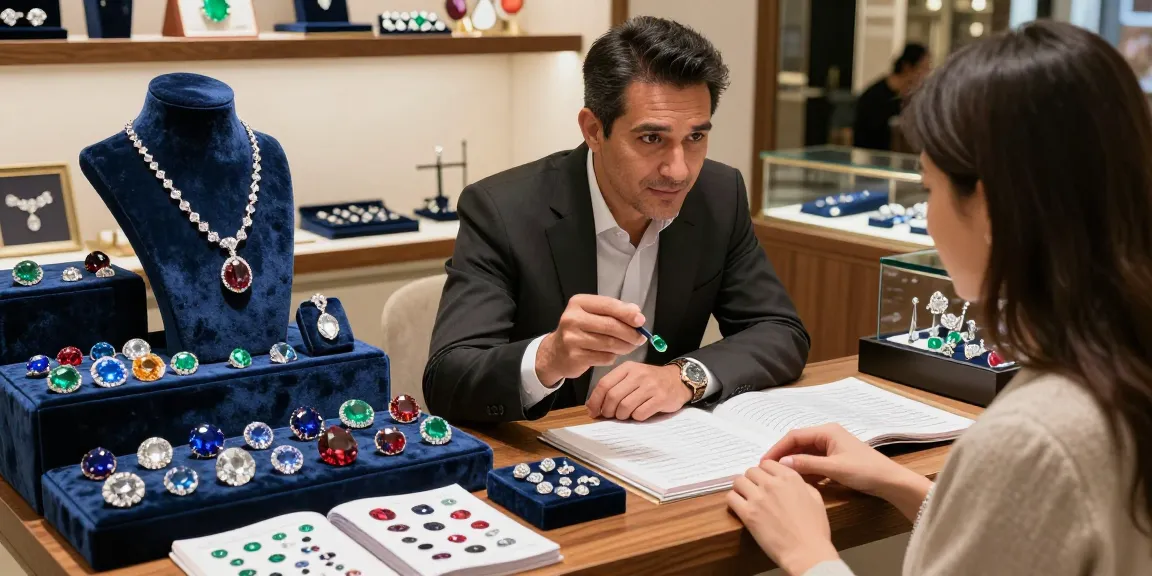
Understanding Gemstones: Quality and Value
When it comes to purchasing gemstones, understanding their quality and value is paramount. The gemstone market is vast, filled with a variety of stones that differ significantly in terms of beauty, rarity, and price. This guide aims to demystify these aspects, providing you with the knowledge necessary to make informed decisions when buying gemstones. For those looking to find reputable sources, https://www.mygemspot.com offers a curated list of merchants specializing in high-quality gems.
What Defines Gemstone Quality?
Gemstone quality is determined by several key factors often referred to as the “Four Cs”: Cut, Color, Clarity, and Carat weight. Each of these attributes plays a crucial role in determining the overall appeal and market value of a gemstone.
- Cut: The quality of the cut affects how well a gemstone reflects light. A well-cut gem will exhibit brilliance, sparkle, and fire.
- Color: In colored gemstones, the hue, tone, and saturation influence value. For instance, a deep blue sapphire is often highly sought after.
- Clarity: This refers to the absence of inclusions and blemishes. Higher clarity results in a more valuable gemstone.
- Carat: The weight of the gemstone can impact its price significantly, with larger stones generally being more expensive.
Evaluating Gemstone Value: Key Factors
The value of a gemstone is further influenced by its rarity and demand in the market. For example, diamonds may fetch higher prices due to their popularity and historical demand, whereas some colored gemstones may be undervalued despite their beauty.
Additionally, the provenance of a gemstone can add value. Stones that originate from well-known locations, such as Burmese rubies or Colombian emeralds, often command higher prices due to their established reputation for quality.
Common Misconceptions About Gemstones
There are several misconceptions about gemstones that can lead to confusion for buyers:
- Price Equals Quality: Higher prices do not always guarantee better quality. It’s essential to analyze the Four Cs comprehensively.
- Natural vs. Synthetic: While natural gemstones are often more valued, synthetics can exhibit similar properties at lower prices. Buyers should be aware of what they are purchasing.
- All Gemstones Require High Maintenance: Not all gemstones demand the same level of care. For instance, diamonds are more resilient compared to softer stones like opals.
Finding Trustworthy Merchants
Trustworthy gemstone merchants are vital for ensuring that you receive quality products. With the rise of online marketplaces, identifying reliable sellers has become increasingly important for buyers. Understanding how to vet these merchants will lead to a better shopping experience and higher-quality purchases.
How to Identify Reliable Gemstone Sellers?
To ensure you are purchasing from a reputable source, consider the following:
- Verify Credentials: Look for sellers with certifications from recognized organizations, indicating adherence to industry standards.
- Check Reviews: Customer feedback can provide insights into the reliability of the merchant and the quality of their gemstones.
- Return Policies: Trustworthy merchants typically offer reasonable return policies, allowing buyers to ensure satisfaction with their purchases.
The Importance of Merchant Reviews and Ratings
Merchant reviews and ratings play a significant role in establishing credibility. Analyzing feedback from previous customers can reveal patterns regarding quality, customer service, and product satisfaction, guiding you toward trustworthy sources.
Curated Gemstone Directories: A Valuable Resource
Curated gemstone directories, like My Gem Spot, offer a streamlined approach to finding trusted merchants. These platforms feature a selection of vetted sellers who have demonstrated consistent quality and reliability, making your search for quality gemstones more straightforward.
The Buying Process: From Selection to Purchase
The buying process for gemstones involves several steps, each critical to ensuring you make a sound investment. From selection to purchase, understanding the nuances will enhance your overall experience in the gemstone marketplace.
Steps to Make Informed Purchases
Here are some actionable steps to guide your purchasing journey:
- Research: Prioritize research on the type of gemstone you are interested in, including quality markers and market value.
- Compare Prices: Do not settle on the first merchant you find. Comparing prices from various sellers helps you gauge a fair market rate.
- Inquire About Certifications: Always ask for gemstone certifications to ensure authenticity and quality.
- Finalize Purchase: Once satisfied with your research and choices, proceed with the purchase through secure payment methods.
Understanding Gemstone Certifications
Gemstone certifications from recognized institutions confirm a stone’s quality and authenticity. Certifications detail the gemstone’s characteristics, including cut, clarity, color, and carat weight, helping buyers make informed decisions.
Negotiating Prices and Understanding Market Trends
Negotiation is a common practice in gemstone purchasing. However, understanding market trends can significantly enhance your bargaining position. For instance, knowing that sapphire prices are on the rise might encourage you to negotiate harder when prices are lower.
Gemstone Care: Maintaining Your Investment
Buying a gemstone is only the first step; proper care is essential for maintaining its beauty and value. Understanding maintenance can ensure your investment remains intact for years to come.
Best Practices for Gemstone Maintenance
To keep your gemstones looking their best:
- Regular Cleaning: Clean your stones with gentle soap and water. Avoid harsh chemicals that can damage the surface.
- Store Properly: Store gemstones separately to prevent scratching. Use soft cloths or padded boxes to minimize damage during storage.
- Limit Exposure: Protect your stones from extreme temperatures and direct sunlight, which can fade colors over time.
Common Care Mistakes to Avoid
Many buyers unknowingly damage their gemstones due to care errors. Avoid these common mistakes:
- Using Abrasive Cleaners: These can scratch and dull the surface of your gemstones.
- Wearing During Activities: Activities like sports or swimming can expose gemstones to knocks or harsh chemicals.
- Ignoring Professional Help: For valuable pieces, consider professional cleaning and maintenance to ensure longevity and beauty.
When to Seek Professional Cleaning Services
If your gemstone shows signs of significant wear or dirt buildup, consider professional cleaning services. These experts have the tools and experience to safely restore your gemstone’s original beauty without damaging it.
Future Trends in the Gemstone Market
As we look to the future, the gemstone market is expected to evolve, influenced by technology, consumer behaviors, and sustainability practices. Understanding these trends can better prepare buyers for their purchasing decisions.
Emerging Technologies in Gemstone Trading
New technologies, such as blockchain, are beginning to impact the gemstone industry, offering increased transparency and tracking of the origins of gems. This technology could revolutionize how consumers assess the authenticity and sourcing of their purchases.
Predictions for Gemstone Value Trends by 2026
Market experts predict that certain gemstones, particularly those with sustainable sourcing claims, will see an increase in value. As consumers become more conscientious about their purchases, ethically sourced gemstones will likely command higher prices.
Sustainability and Ethical Sourcing in Gemstones
Ethical sourcing is becoming increasingly important to consumers. Buyers are now more inclined to support merchants who prioritize sustainability and responsible mining practices, influencing their purchasing decisions and perceived value of gemstones.
What Are the Latest Consumer Preferences?
Today’s consumers are more informed and selective in their purchases. Trends show a growing preference for unique, one-of-a-kind gemstones rather than mass-produced options. Additionally, there is a rising interest in colored gemstones over traditional diamonds, signaling a shift in consumer preferences.