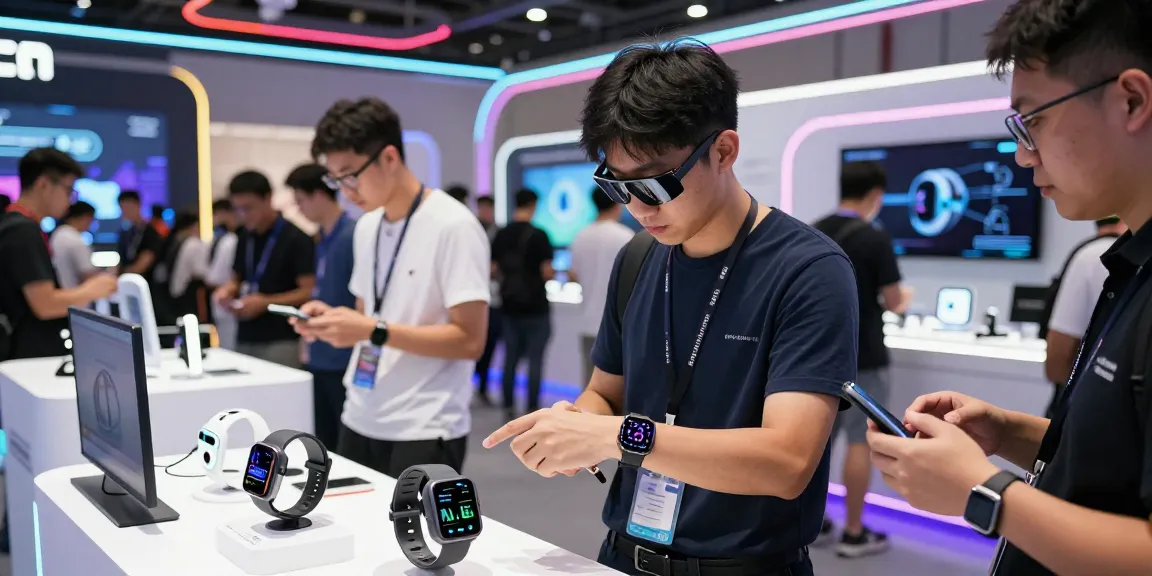
Introduction to AI Wearables
The rapid evolution of technology has brought about a new era of wearable devices that integrate artificial intelligence (AI) to enhance user experience, monitor health, and provide seamless connectivity. As AI continues to innovate and improve, these wearables are transforming how we interact with technology, offering functionalities that were once unimaginable. In 2026, the landscape of AI wearables is set to expand significantly, with devices catering to a variety of needs, from health monitoring to augmented reality experiences. This article delves into what AI wearables are, their types, applications, challenges, and their projected future trajectory.
What Are AI Wearables?
AI wearables are smart devices that utilize artificial intelligence algorithms to enhance functionality and user interaction. These devices can collect, analyze, and respond to data in real-time, creating a more intuitive experience. Examples include smartwatches, fitness trackers, smart glasses, and clothing embedded with sensors. By integrating AI, these devices can learn from user behavior, making them not just passive tools, but active participants in the user’s daily life.
History and Evolution of Wearable Technology
The journey of wearable technology began with simple devices such as pedometers and heart rate monitors. Over the years, these devices evolved into sophisticated smartwatches and fitness trackers, integrating advanced sensors and connectivity features. The launch of the first smartwatch in the early 2010s marked a significant milestone, leading to the development of wearables like the Fitbit and Apple Watch. These devices captured user data, ranging from steps taken to heart rate variations. The incorporation of AI into these devices began as voice recognition and has expanded into predictive analytics and real-time monitoring, thereby making wearables smarter and more useful.
Importance of AI in Wearable Devices
Integrating AI into wearable devices enhances their functionality significantly. AI can analyze large datasets swiftly, allowing wearables to provide actionable insights about health and activity levels. For instance, an AI-powered fitness tracker can not only record data but also analyze patterns, offering personalized workout recommendations based on individual performance metrics. Moreover, AI contributes to features such as voice assistance, real-time alerts, and health monitoring, making wearables essential in today’s tech-driven landscape.
Types of AI Wearables
Smartwatches and Fitness Trackers
Smartwatches and fitness trackers are among the most popular categories of AI wearables. Equipped with sensors to track various health metrics, these devices provide users with the ability to monitor their heart rate, sleep patterns, and physical activity. For example, the latest smartwatches offer features like ECG monitoring and blood oxygen level tracking, utilizing AI to detect anomalies and provide health alerts. This not only aids in personal fitness but can also be crucial in health management, enabling users to share vital statistics with healthcare professionals.
Smart Jewelry and Accessories
Another emerging trend in AI wearables is smart jewelry and accessories, which combine aesthetics with functionality. Devices like smart rings and bracelets often serve dual purposes: they enhance personal style while tracking fitness data or sending notifications. These wearables can use AI to analyze user activity levels and habits, offering insights and reminders discreetly, which appeals to those who prefer subtlety over more traditional fitness wearables.
Augmented Reality Glasses
Augmented reality (AR) glasses represent one of the most innovative applications of AI wearables. These devices overlay digital information onto the real world, enhancing user interaction with their environments. AI capabilities in AR glasses enable features such as facial recognition, real-time translation, and navigation assistance. Companies like Google and Apple are investing significantly in this technology, recognizing its potential to revolutionize industries like education, healthcare, and tourism.
Applications of AI Wearables
Health Monitoring and Fitness Tracking
The primary application of AI wearables lies in health monitoring and fitness tracking. These devices continuously monitor vital signs like heart rate, body temperature, and blood pressure, providing valuable insights that can inform users about their health conditions. With AI’s ability to learn and adapt, wearables can predict potential health issues by analyzing historical data patterns and suggesting preventive measures. For instance, if a user’s data indicates rising stress levels, the device may recommend meditation or relaxation techniques.
Enhanced Communication and Connectivity
AI wearables also enhance communication by offering seamless connectivity with smartphones, enabling users to receive notifications, answer calls, or send messages directly from their devices. Features like voice assistants allow hands-free communication, making them convenient during workouts or while driving. This interconnectivity not only boosts productivity but also ensures that users remain engaged while balancing other aspects of their lives.
Data Analysis and Personalization
Personalization is a significant advantage of AI wearables. By analyzing user preferences and behavioral data, these devices can provide tailored experiences. For example, a fitness tracker may analyze workout patterns and suggest personalized training regimens or nutritional advice. This level of customization enhances user engagement, as individuals feel that their devices cater specifically to their needs and lifestyles.
Challenges and Considerations
Privacy and Data Security Concerns
As AI wearables collect and analyze personal data, privacy and security concerns have become paramount. Users must be aware of how their data is processed, who has access to it, and how it is safeguarded. Manufacturers must implement robust encryption and data protection measures to ensure user trust. Additionally, regulatory frameworks around data protection are evolving, and companies must navigate these changing landscapes to remain compliant.
Battery Life and Device Longevity
Battery life is another critical challenge for AI wearables. As devices become more advanced and feature-rich, the demand for power increases, leading to concerns about battery longevity. Manufacturers are continually exploring new technologies to improve battery efficiency, such as solar charging or energy harvesting from the user’s movement, to ensure that wearables remain functional for extended periods without frequent recharging.
User Adoption and Technological Barriers
User adoption of AI wearables faces several barriers, including technological complexity and the perception of wearables as luxury items rather than necessities. Education and awareness campaigns can help demystify these devices and highlight their benefits in daily life. Additionally, pricing strategies that make wearables more affordable and accessible can encourage broader acceptance among various demographics.
The Future of AI Wearables in 2026 and Beyond
Emerging Trends and Innovations
As we look toward the future, several trends are likely to shape the AI wearables market. The integration of advanced biometric sensors will allow for more comprehensive health monitoring, potentially replacing regular medical check-ups or enhancing telehealth services. Furthermore, developments in machine learning will lead to smarter algorithms capable of providing deeper insights and more nuanced recommendations, solidifying wearables’ role in health management.
Potential Impact on Everyday Life
With the continual evolution of AI wearables, their impact on everyday life will be profound. These devices will likely transition from being mere accessories to essential tools for health management, communication, and productivity. As connectivity and AI capabilities advance, wearables may become integral to managing everyday tasks, providing personalized assistance, and even enhancing social interactions through augmented reality features.
Expert Predictions and Insights
Experts predict that the AI wearables market will experience exponential growth in the next few years, driven by increasing consumer demand for health monitoring solutions and smart technology integration. Industry leaders are focusing on creating more user-friendly interfaces and appealing designs to attract a broader audience. Innovations such as AI-driven health diagnostics, enhanced privacy measures, and improved battery technologies will likely dominate the landscape, making AI wearables indispensable in modern life.
What are the main types of AI wearable devices?
The main types of AI wearable devices include smartwatches, fitness trackers, smart jewelry, augmented reality glasses, and health monitoring clothing. Each type serves distinct purposes but collectively aims to enhance the user experience through AI integration.
How do AI wearables enhance health monitoring?
AI wearables enhance health monitoring by continuously tracking vital signs and physical activity, analyzing data patterns, and providing personalized health insights and recommendations based on user behavior.
What should users consider before purchasing AI wearables?
Before purchasing AI wearables, users should consider factors such as device compatibility with their existing technology, battery life, privacy protections, user reviews, and the specific features that align with their personal health and lifestyle needs.
What are the latest trends in AI wearable technology?
The latest trends in AI wearable technology include increased personalization through machine learning, advanced health diagnostics, integration with smart home devices, and the development of more aesthetically appealing wearable designs.
How can AI wearables improve productivity?
AI wearables can improve productivity by providing seamless communication, enabling task management, offering reminders, and analyzing work habits to suggest enhancements, thereby reducing distractions and fostering focus.